

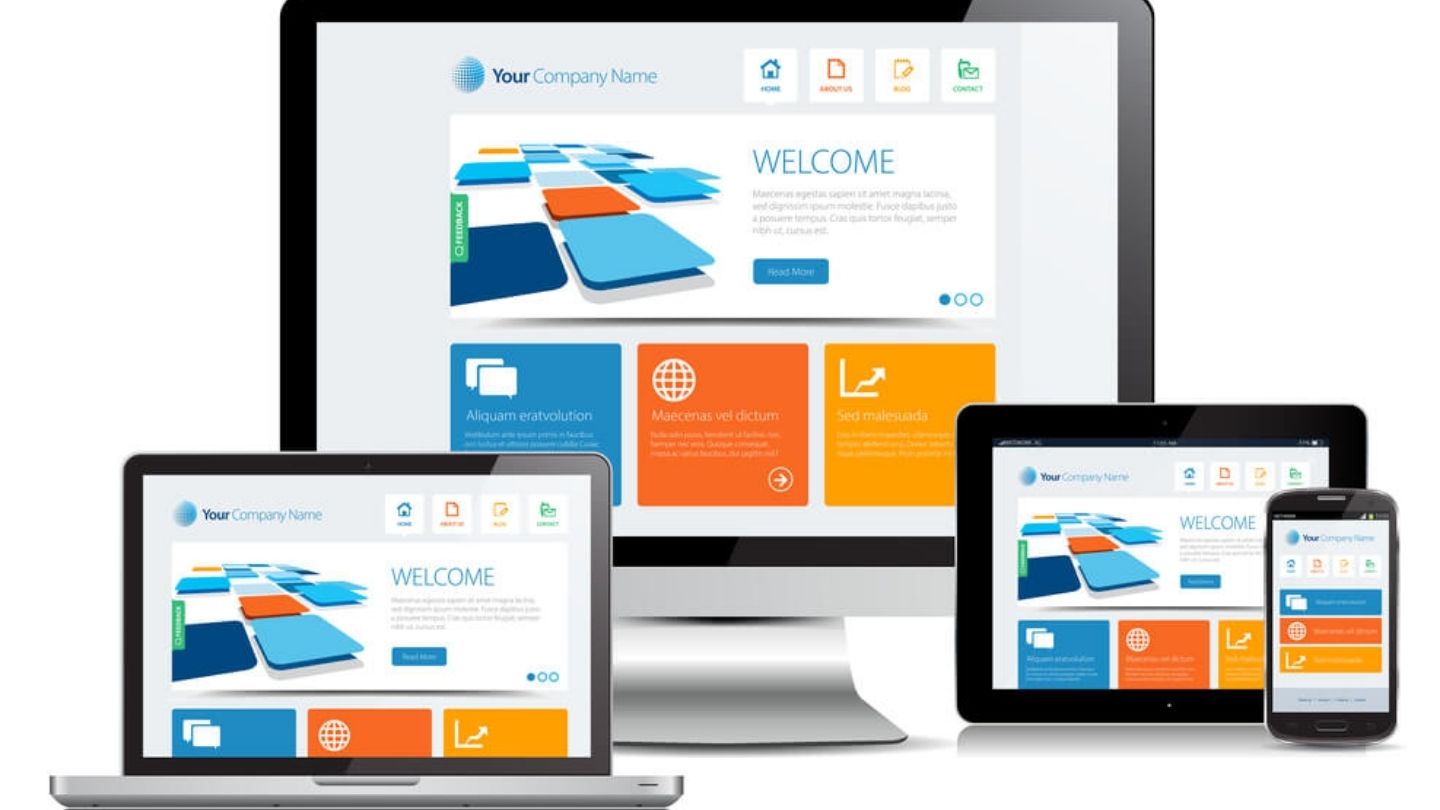
In the digital age, having an online presence is no longer optional. Whether you are running a small business, starting a startup, building a personal brand, or launching an online service, one big question always comes up:
Should I create a website or a mobile app?
Many people think apps are more “modern” and websites are outdated. In reality, this belief is misleading. Both websites and mobile apps have their own strengths, weaknesses, and real-world use cases. Choosing the wrong one can result in wasted money, low engagement, and slow growth.
This blog explains the real difference between a website and an app, using practical information, real usage behavior, costs, and business logic—not marketing hype.
READ MORE : https://digitalmohit.co.in/category/technology/
SHOP NOW : https://amzn.to/4skjCAr
What Is a Website? (Real-World Explanation)
A website is a digital platform accessible through an internet browser such as Google Chrome, Safari, or Firefox. Users simply type a URL or click a link to access it—no installation required.
How Websites Are Used in Real Life
- People search on Google → click a website
- Users read blogs, compare services, or buy products
- Customers trust websites for information and verification
Websites are the foundation of the internet. Even most apps depend on websites for support pages, policies, blogs, and marketing.
SHOP NOW : https://amzn.to/3N0dYTD
READ MORE : https://digitalmohit.co.in/category/business/
Common Real-World Examples
- Business websites
- Blogs and news portals
- Educational platforms
- Government portals
- Online stores
What Is a Mobile App? (Practical Meaning)
A mobile app is software designed to be installed on smartphones or tablets. Users download apps from the Google Play Store or Apple App Store.
How Apps Are Used in Real Life
- Daily or frequent usage
- Personalized experience
- Quick access with one tap
- Push notifications for reminders or offers
Apps work best when users need speed, repetition, or personalization.
Common Real-World Examples
- Banking apps
- Social media apps
- Food delivery apps
- Fitness and health apps
- Online payment apps
Website vs App: Real Comparison Based on User Behavior
| Factor | Website | Mobile App |
|---|---|---|
| Installation | Not required | Required |
| Google Traffic | Very High | Very Low |
| Cost | Affordable | Expensive |
| Maintenance | Easy | Complex |
| Offline Use | No | Yes (limited) |
| Updates | Instant | User must update |
| Engagement | Medium | High |
| Push Notifications | No | Yes |
Cost Reality: Website vs App
Website Cost (Realistic)
- Domain & hosting: Low cost
- Development: Affordable
- Maintenance: Simple
- One version works on all devices
Even beginners can create a professional website with limited budget.
App Cost (Realistic)
- Separate development for Android & iOS
- High initial investment
- Regular updates required
- App store fees and approvals
Apps are not beginner-friendly financially.
SEO & Traffic: The Biggest Difference
One of the most important realities is traffic generation.
Websites
- Rank on Google
- Bring organic (free) traffic
- Perfect for blogging, content marketing, and AdSense
- Long-term growth without paid ads
Apps
- Do not rank well on Google
- Need marketing, ads, or existing users
- App Store SEO exists but is limited
If you want free traffic, visibility, and long-term growth—website wins.
User Trust & Accessibility
Websites Build Trust
- Users can quickly check company details
- Easy access to policies, contact info, and reviews
- No fear of storage usage or privacy concerns
Apps Create Commitment
- Users must trust you enough to install
- Many users avoid installing unknown apps
- Storage space is a real concern
For new brands, websites feel safer than apps.
Performance & User Experience
Website Experience
- Depends on internet speed
- Slower compared to apps
- Good for information and transactions
App Experience
- Faster loading
- Smooth interactions
- Can work offline
- Uses phone features like camera, GPS, fingerprint
Apps are better when speed and daily usage matter.
When a Website Is the Best Choice
A website is ideal if:
- You are starting a new business
- You want Google traffic
- You plan to run a blog or content website
- You want AdSense or affiliate income
- You have a limited budget
- You want fast launch and easy updates
Most successful online journeys start with a website.
When an App Is the Better Choice
An app makes sense if:
- You already have many users
- Your service is used daily
- You need push notifications
- You require offline features
- You offer personalized experiences
Apps are powerful—but only after demand is proven.
The Smart Business Strategy (Used by Real Companies)
Many real companies follow this proven path:
- Start with a website
- Build traffic, trust, and audience
- Understand user behavior
- Launch an app later for loyal users
This strategy reduces risk and saves money.
Real Examples
- Amazon started as a website
- Zomato uses both website and app
- Most news platforms rely mainly on websites
- Government services prioritize websites
Website + App: The Best Long-Term Model
In the long run, the best solution is both:
- Website for discovery, SEO, and trust
- App for engagement, loyalty, and daily usage
But starting with both at once is unnecessary and expensive.
Final Conclusion: Website vs App
There is no universal winner—but there is a right order.
✔ For visibility, SEO, blogging, and growth → Website
✔ For engagement, retention, and daily use → App
For beginners, startups, and bloggers: a website is the smartest and safest first step.














Leave a Reply