

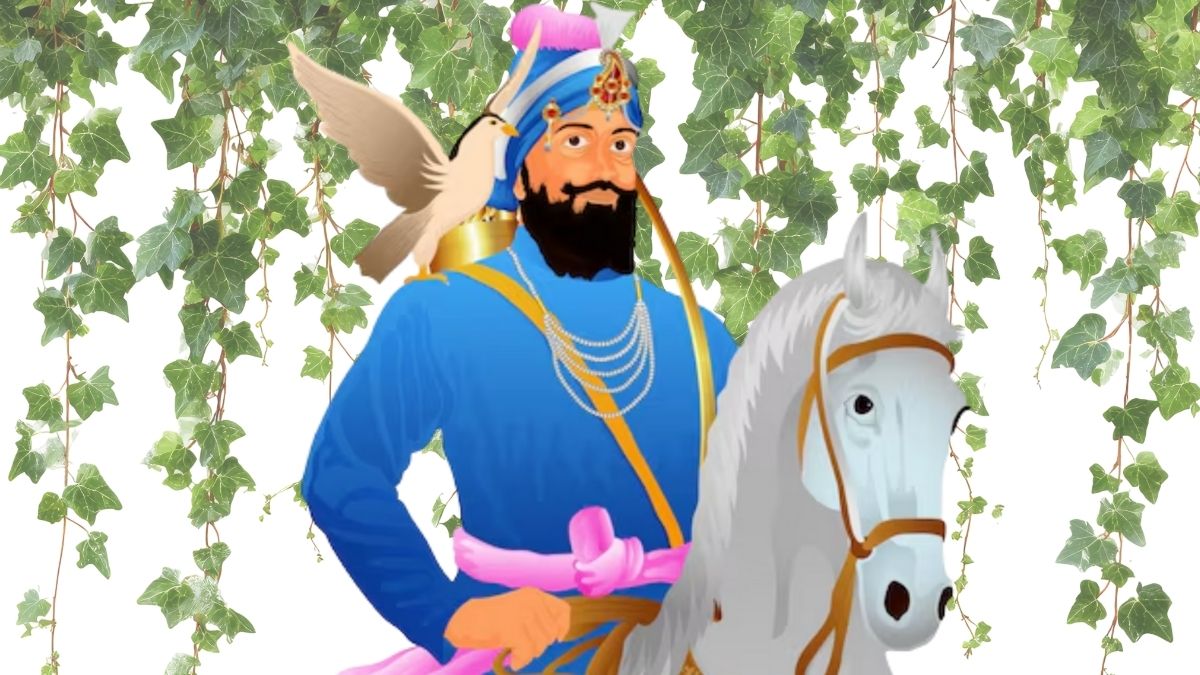
Guru Gobind Singh Jayanti 2025 marks the birth anniversary of Guru Gobind Singh Ji, the tenth Sikh Guru and one of the greatest spiritual and revolutionary leaders in Indian history. This sacred occasion is not only a religious festival but also a day to remember values that the modern world deeply needs—fearlessness, equality, justice, and unwavering faith.
Guru Gobind Singh Ji was more than a Guru. He was a saint, a soldier, a poet, and a visionary who transformed Sikhism into a powerful force for truth and humanity. Even centuries later, his teachings continue to guide millions across the world.
READ MORE : https://digitalmohit.co.in/category/news/
Birth and Historical Background
Guru Gobind Singh Ji was born on December 22, 1666, in Patna Sahib, located in present-day Bihar, India. His birth name was Gobind Rai. He was the only son of Guru Tegh Bahadur Ji, the ninth Sikh Guru, and Mata Gujri Ji.
At that time, India was under Mughal rule, and religious freedom was severely threatened. Forced conversions, injustice, and cruelty were common. Guru Gobind Singh Ji grew up witnessing these harsh realities, which played a major role in shaping his fearless personality and strong moral foundation.
Childhood and Becoming Guru at a Young Age
Guru Gobind Singh Ji became the Sikh Guru at the age of nine, after the martyrdom of his father, Guru Tegh Bahadur Ji. Guru Tegh Bahadur Ji sacrificed his life to protect the religious freedom of people who were not even Sikhs, proving that humanity comes before religion.
This incident deeply impacted young Gobind Rai. From an early age, he understood that spirituality without courage is incomplete. Despite his young age, he showed extraordinary wisdom, leadership, and determination.
The Vision of a Saint-Soldier
Guru Gobind Singh Ji strongly believed that saintliness and strength must go together. He taught that prayer alone is not enough if one remains silent in the face of injustice.
He trained his followers in:
- Martial arts
- Horse riding
- Archery and sword fighting
At the same time, he emphasized meditation, discipline, honesty, and devotion to one Supreme God. His followers were taught to live a balanced life—spiritually connected yet socially responsible.
Creation of the Khalsa Panth (1699)
One of the most revolutionary moments in Sikh history occurred in 1699, during the festival of Vaisakhi, when Guru Gobind Singh Ji established the Khalsa Panth.
He asked his followers who was ready to sacrifice their life for faith and truth. Five men came forward, later known as the Panj Pyare. Guru Ji initiated them with Amrit and gave them the title Singh, meaning lion.
What made this moment extraordinary was that Guru Gobind Singh Ji then took Amrit from the Panj Pyare himself, declaring complete equality between Guru and disciple.
The Khalsa was founded on five core values:
- Equality of all humans
- Courage and fearlessness
- Discipline and purity
- Devotion to God
- Service to humanity
The Five Ks—Kesh, Kangha, Kara, Kirpan, and Kachera—became symbols of identity, responsibility, and moral strength.
Literary Contributions and Spiritual Teachings
Guru Gobind Singh Ji was also a brilliant scholar and poet. He mastered several languages including Sanskrit, Persian, and Punjabi. His writings carry deep spiritual meaning and powerful messages of justice.
Some of his major works include:
- Jaap Sahib
- Akal Ustat
- Chandi di Var
- Zafarnama
The Zafarnama, written to Mughal Emperor Aurangzeb, is a fearless letter that exposes hypocrisy and reminds rulers that moral authority is greater than political power.
Immense Personal Sacrifices
Guru Gobind Singh Ji’s life was filled with unimaginable sacrifices. He lost:
- Two elder sons in battle
- Two younger sons, who were bricked alive for refusing to convert their faith
Despite these tragedies, Guru Ji never lost faith in God or his mission. His strength during personal loss remains one of the most powerful examples of resilience in human history.
Declaring the Guru Granth Sahib as the Eternal Guru
Before leaving his physical body in 1708, Guru Gobind Singh Ji made a historic decision. He declared the Guru Granth Sahib as the eternal Guru of the Sikhs.
This ended the tradition of human Gurus and ensured that Sikhism would always be guided by divine wisdom rather than individuals. This decision reinforced equality, unity, and the importance of knowledge.
How Guru Gobind Singh Jayanti Is Celebrated
Guru Gobind Singh Jayanti is celebrated with devotion and respect across India and worldwide. Common practices include:
- Akhand Path (continuous recitation of Guru Granth Sahib)
- Nagar Kirtan (religious processions)
- Langar, where free food is served to everyone
- Kirtans and spiritual discourses
- Community service and charity work
The celebrations reflect Guru Ji’s teachings of humility, service, and unity.
Importance of Guru Gobind Singh Ji in Today’s World
In today’s society, where intolerance, injustice, and inequality still exist, Guru Gobind Singh Ji’s teachings are more relevant than ever. He taught people to:
- Stand up for truth, even when it is difficult
- Respect all religions and cultures
- Live fearlessly with dignity
- Serve humanity without discrimination
His life reminds us that real spirituality is reflected through action, courage, and compassion.
Conclusion: A Legacy That Lives Forever
Guru Gobind Singh Jayanti 2025 is not just a celebration of a birth anniversary—it is a reminder of values that can transform society. Guru Gobind Singh Ji showed the world that faith is strongest when combined with courage and humanity.
As we remember him, let us strive to live by his teachings—standing for justice, serving others, and living truthfully. His legacy continues to inspire generations and will remain a guiding light for humanity forever.















Leave a Reply