

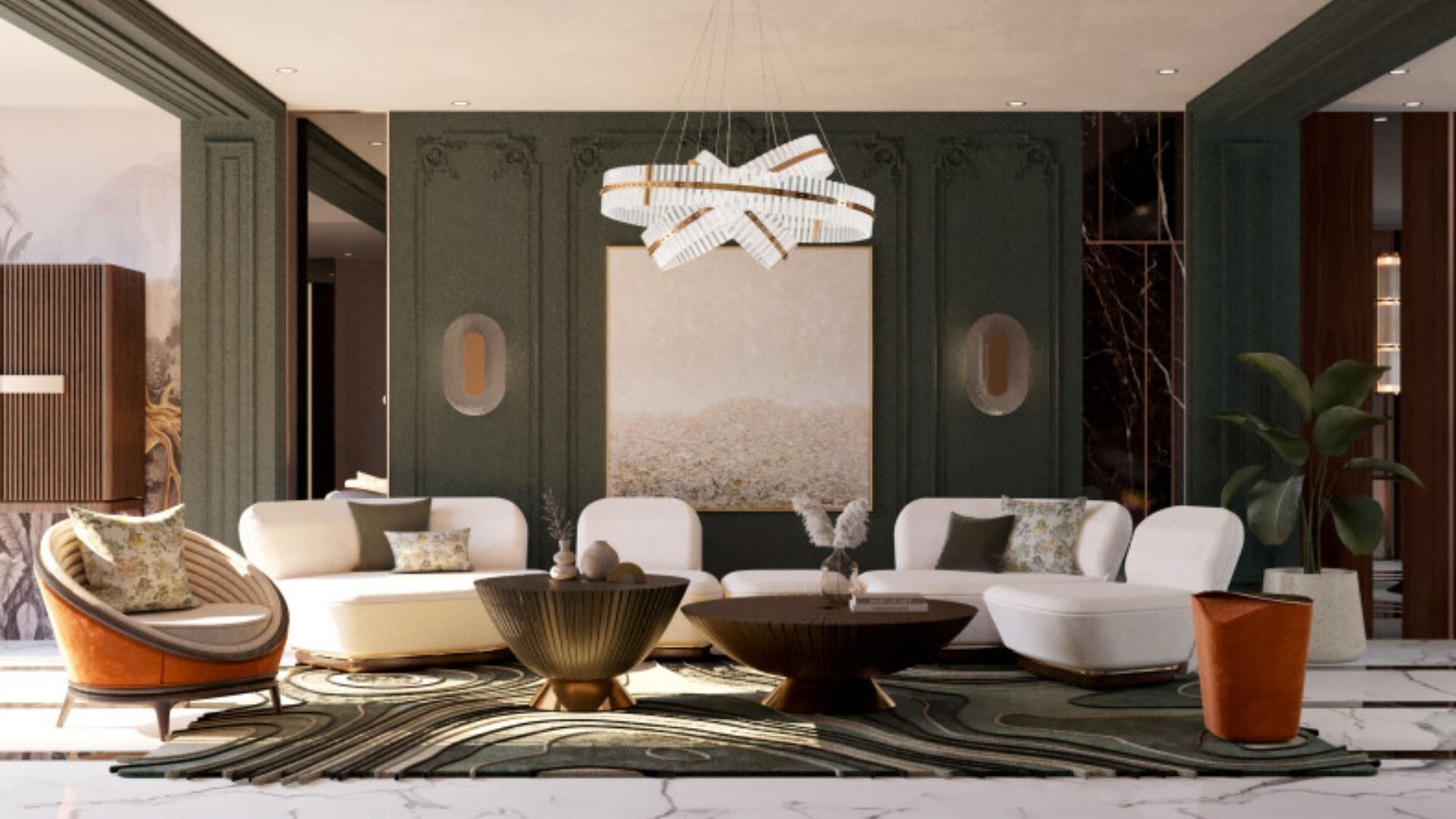
Interior Design is not just about making a space look attractive. It is about creating an environment that supports the way we live, work, relax, and connect with others. A well-designed interior balances beauty with functionality, comfort with creativity, and personal taste with practical needs.
In today’s world, where people spend a significant amount of time indoors, interior design has become an essential part of a healthy and fulfilling lifestyle. Whether it is a home, office, or commercial space, thoughtful interior design can transform ordinary rooms into meaningful experiences.
READ MORE : https://digitalmohit.co.in/category/interior design/
What Is Interior Design?
Interior design is the professional practice of planning and designing interior spaces to make them both functional and aesthetically pleasing. It involves understanding space, human behavior, architecture, color theory, lighting, furniture, and materials.
An interior designer does more than decorate. They analyze how a space will be used, who will use it, and how to make it efficient, comfortable, and visually harmonious. The goal is to create interiors that support daily activities while expressing the personality and values of the people who occupy them.
Why Interior Design Is Important
Good interior design has a direct impact on our emotions, productivity, and overall well-being. A poorly designed space can feel uncomfortable, cluttered, or stressful, while a well-designed one feels calm, organized, and inspiring.
Benefits of professional interior design include:
- Better use of space and layout
- Improved comfort and functionality
- Enhanced mood and mental well-being
- Increased property value
- A strong sense of personal or brand identity
Interior design is an investment that adds long-term value to both residential and commercial properties.
Core Elements of Interior Design
1. Space Planning and Layout
Space planning is the foundation of interior design. It involves arranging furniture and movement pathways so that the space feels open, balanced, and practical.
Effective space planning:
- Avoids overcrowding
- Improves movement and flow
- Maximizes usable space
- Creates visual balance
A well-planned layout makes even small rooms feel spacious and comfortable.
2. Color and Its Psychological Impact
Color plays a powerful role in interior design. Different colors create different emotions and moods.
- Light colors create openness and brightness
- Dark colors add depth and sophistication
- Warm tones feel inviting and cozy
- Cool tones promote calmness and focus
Designers often use neutral shades as a base and introduce accent colors through décor, furniture, or artwork.
3. Lighting Design
Lighting can completely change how a space looks and feels. It highlights architectural features, improves functionality, and sets the overall mood.
There are three main types of lighting:
- Ambient lighting for general illumination
- Task lighting for specific activities like reading or cooking
- Accent lighting to highlight décor or focal points
Natural light is also an important element, as it enhances health, energy, and visual comfort.
4. Furniture and Functionality
Furniture defines how a space is used. The right furniture should be comfortable, proportionate, and suitable for the purpose of the room.
Key considerations include:
- Scale and size of furniture
- Comfort and ergonomics
- Material quality and durability
- Visual harmony with the overall design
Good furniture selection improves both aesthetics and daily living.
5. Materials, Textures, and Finishes
Materials and textures add depth, warmth, and character to interiors. Combining different textures creates a rich and layered look.
Commonly used materials include:
- Wood for warmth and natural appeal
- Stone for elegance and durability
- Glass for openness and light
- Fabric for comfort and softness
A balanced mix of materials makes a space feel refined and inviting.
6. Accessories and Decorative Elements
Accessories are the finishing touches that bring personality to a space. Items such as cushions, rugs, artwork, plants, mirrors, and lighting fixtures complete the design.
Decorative elements should:
- Complement the overall theme
- Be balanced and not excessive
- Reflect personal taste or brand identity
Thoughtful décor can elevate a simple interior into a stylish one.
Popular Interior Design Styles
Modern Interior Design
Modern interiors feature clean lines, minimal ornamentation, neutral color palettes, and functional furniture. This style emphasizes simplicity and efficiency.
Contemporary Interior Design
Contemporary design evolves with current trends. It blends comfort, innovation, and bold accents, making spaces feel fresh and dynamic.
Traditional Interior Design
Traditional interiors are inspired by classic European design. They include rich colors, detailed furniture, and elegant accessories that create a timeless look.
Minimalist Interior Design
Minimalism focuses on simplicity, clarity, and clutter-free spaces. It uses limited colors, clean layouts, and essential furniture.
Scandinavian Interior Design
This style emphasizes light colors, natural materials, and cozy comfort. It is known for its warmth, simplicity, and functionality.
Interior Design for Different Spaces
Residential Interior Design
Home interiors should reflect comfort, warmth, and individuality. Each room serves a unique purpose:
- Living rooms should be welcoming and stylish
- Bedrooms should be peaceful and relaxing
- Kitchens should be functional and organized
- Bathrooms should feel clean and calming
Good home design improves everyday living.
Office Interior Design
Office interiors influence productivity, creativity, and employee well-being. Proper lighting, ergonomic furniture, and organized layouts create a positive work environment.
Well-designed offices:
- Improve focus and efficiency
- Enhance employee satisfaction
- Create a professional brand image
Commercial Interior Design
Commercial interiors such as hotels, restaurants, and retail spaces are designed to attract customers and enhance user experience. Design plays a crucial role in business success and customer perception.
Current Trends in Interior Design
- Sustainable and eco-friendly materials
- Smart home and automated systems
- Biophilic design using plants and natural elements
- Neutral and earthy color palettes
- Multi-functional and flexible spaces
Modern interior design focuses on sustainability, comfort, and adaptability.
Conclusion
Interior design is a thoughtful blend of creativity, functionality, and emotional connection. It transforms empty spaces into environments that support daily life, express identity, and enhance well-being.
Whether designing a small apartment, a family home, or a commercial space, interior design has the power to improve how we live and interact with our surroundings. A well-designed interior is not just seen—it is felt.



Leave a Reply