

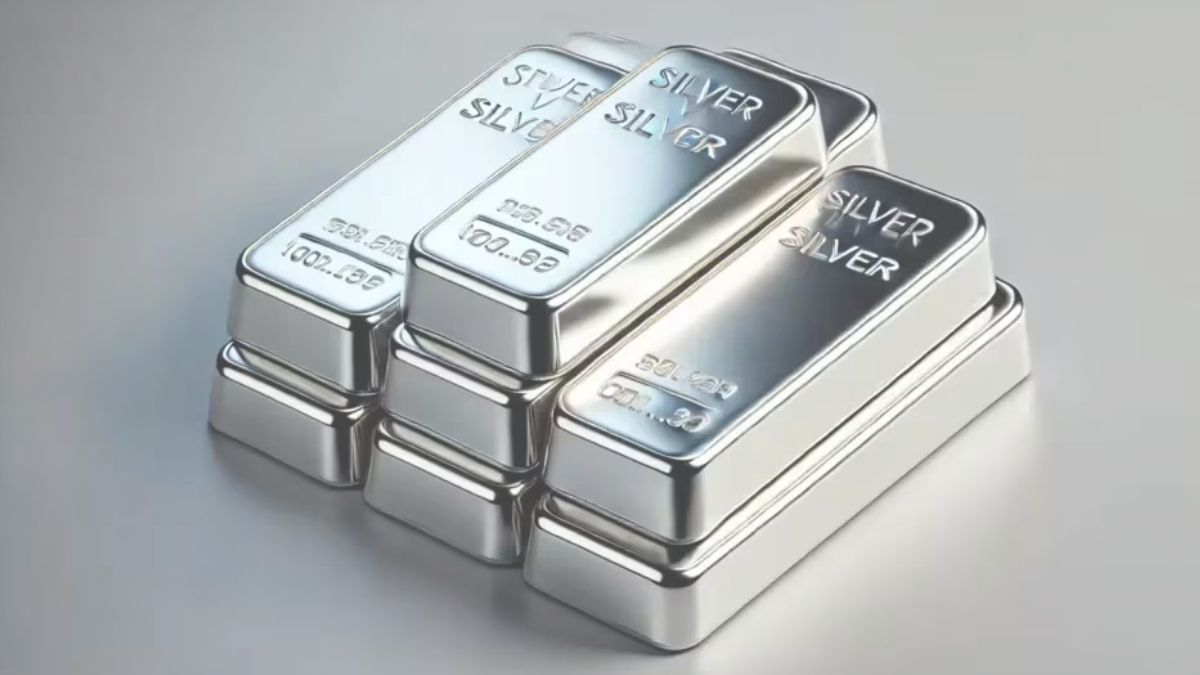
Silver is more than just a shiny metal used in jewelry. It is a powerful commodity that plays a critical role in global finance, industry, and long-term wealth preservation. Every day, millions of people search for the silver rate today to decide whether it is the right time to buy, sell, or invest. From investors and traders to households purchasing silver for personal use, understanding silver prices has become increasingly important.
This blog provides complete, real-world information about silver rates, why prices change, how the silver market works, and what today’s silver price truly means for buyers and investors.
READ MORE : https://digitalmohit.co.in/category/news/
What Does “Silver Rate Today” Actually Mean?
The silver rate today refers to the current market price of pure silver (usually 99.9% purity, also called fine silver). This price is generally quoted per gram, per 10 grams, or per kilogram, depending on the country and market.
Silver prices are not fixed. They change daily and sometimes multiple times in a single day. The rate you see today reflects:
- Global silver trading prices
- Currency exchange movements
- Supply and demand conditions
- Market sentiment and economic signals
That is why the silver rate today may be different from yesterday or tomorrow.
How Silver Prices Are Decided in Reality
Silver prices are mainly influenced by international commodity exchanges, where silver is actively traded. These global prices act as the base rate. In countries like India, the final silver rate also includes:
- Import duties
- Taxes
- Transportation and storage costs
- Local demand and dealer margins
This means silver prices can vary slightly from city to city, even on the same day.
Why Silver Rates Change So Frequently
Silver is unique because it is both a precious metal and an industrial metal. This dual nature makes its price sensitive to many real-world factors.
1. Industrial Demand
Silver is widely used in:
- Electronics
- Solar panels
- Medical instruments
- Electric vehicles
- Batteries and semiconductors
When industrial production increases, silver demand rises, pushing prices higher. When industries slow down, silver prices may fall.
2. Investment Behavior
During economic uncertainty, inflation, or market volatility, people often turn to silver as a store of value. Increased buying by investors directly impacts silver rates.
3. Inflation and Economic Conditions
Silver is often seen as protection against inflation. When inflation rises and purchasing power weakens, demand for silver usually increases.
4. US Dollar Movement
Silver is traded globally in US dollars. A weaker dollar generally supports higher silver prices, while a stronger dollar can reduce silver demand.
5. Supply and Mining Output
Silver supply depends on mining production and recycling. Any disruption in mining, labor issues, or reduced output can affect silver availability and prices.
Silver Rate Today in India: Ground Reality
In India, silver is deeply connected to culture, religion, and savings habits. It is purchased not only as an investment but also for:
- Jewelry
- Utensils
- Coins and bars
- Religious and festive purposes
Indian silver prices are influenced by:
- International silver prices
- Rupee vs Dollar exchange rate
- Import policies
- Seasonal demand
During festivals, weddings, and auspicious occasions, silver demand increases, often resulting in higher prices.
Is Silver a Good Investment in Real Life?
Silver has proven its value over time, but it is important to understand its realistic strengths and limitations.
Advantages of Investing in Silver
- More affordable than gold
- High industrial demand ensures long-term relevance
- Useful for portfolio diversification
- Acts as a hedge against inflation
Risks of Silver Investment
- Higher price volatility than gold
- Short-term fluctuations can be unpredictable
- Storage and purity concerns for physical silver
Silver is best suited for long-term investors who can tolerate short-term ups and downs.
Silver vs Gold: Practical Comparison
Gold and silver are often compared, but they serve slightly different purposes.
| Factor | Silver | Gold |
|---|---|---|
| Price | Lower | Higher |
| Volatility | Higher | Lower |
| Industrial Use | Very high | Limited |
| Investment Stability | Moderate | Strong |
| Accessibility | Easier for small investors | Costly |
In reality, many smart investors hold both gold and silver to balance stability and growth.
Best Ways to Buy and Invest in Silver
1. Physical Silver
This includes silver coins, bars, and jewelry. Always check purity and buy from trusted sellers.
2. Digital Silver
Allows online ownership without physical storage issues. Suitable for modern investors.
3. Silver ETFs
These track silver prices and can be traded on stock exchanges, offering convenience and transparency.
4. Futures and Trading
Best for experienced traders who understand market risks.
Choose the method based on your financial goals and risk tolerance.
Is Today the Right Time to Buy Silver?
There is no perfect time that suits everyone. However, many financial experts suggest:
- Buying silver gradually instead of all at once
- Tracking price dips rather than daily noise
- Investing with a long-term view
Silver prices often reward patience rather than speculation.
Long-Term Outlook of Silver Prices
The future of silver looks realistically strong, not because of hype, but due to genuine demand drivers:
- Expansion of renewable energy
- Growth in electric vehicles
- Rising electronics production
- Limited natural supply
As the world becomes more technology-driven, silver’s importance is expected to increase, supporting long-term price growth.
Final Thoughts
The silver rate today is not just a number—it reflects global economics, industrial growth, investor behavior, and real-world demand. Silver continues to be a valuable asset for both practical use and investment.
Whether you are a first-time buyer, a long-term investor, or someone tracking market trends, understanding silver price movements helps you make informed and confident decisions.
Instead of chasing short-term fluctuations, focus on silver’s long-term value, real utility, and historical importance. When used wisely, silver can be a meaningful part of a balanced financial strategy.














Leave a Reply