

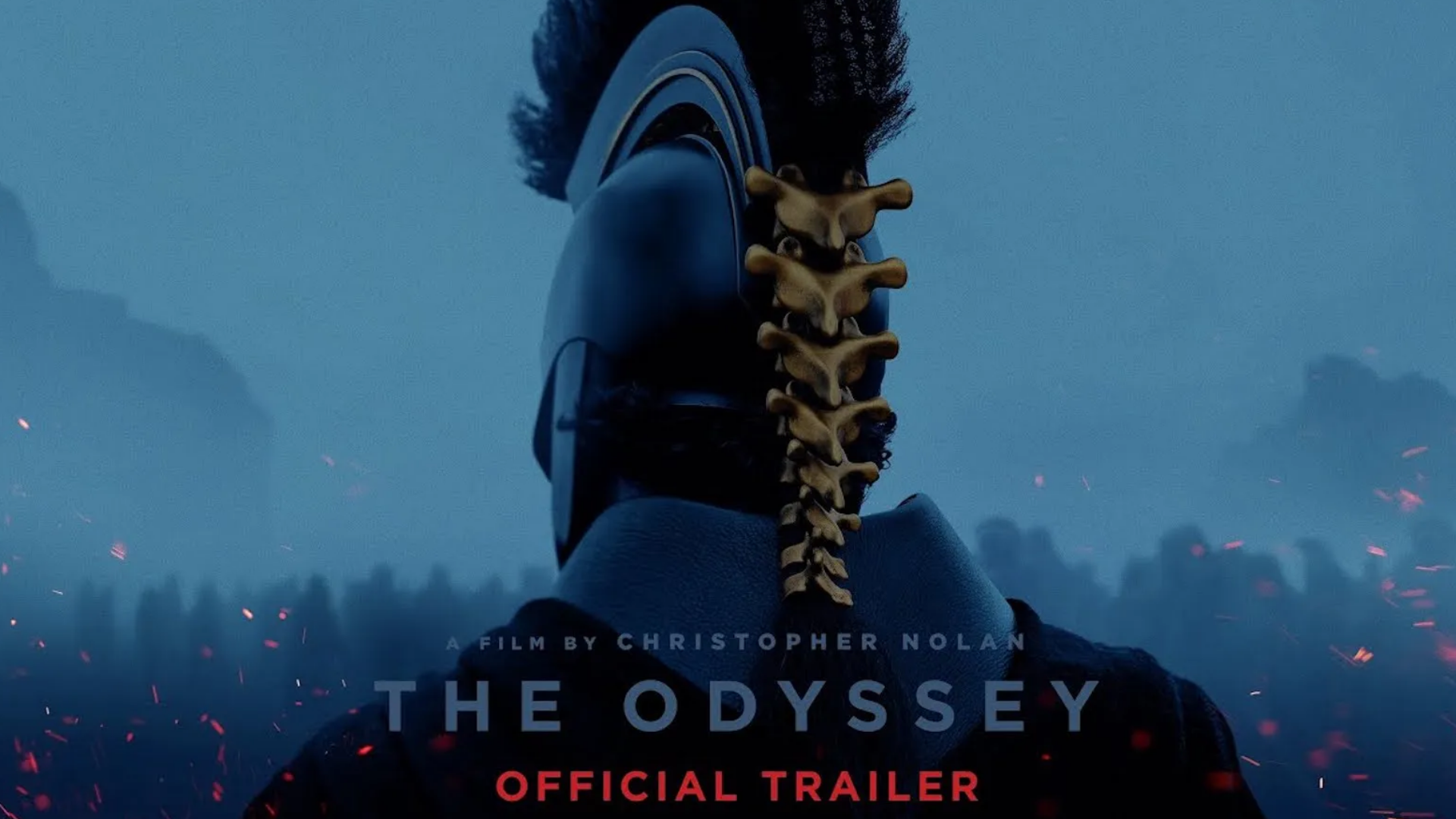
Some stories never grow old. They change their form, their language, and their medium, but their soul remains timeless. The Odyssey, originally written by the ancient Greek poet Homer, is one such story. Over centuries, it has been retold in books, plays, and films. Every Odyssey movie adaptation attempts to bring this ancient epic closer to modern audiences, and yet the story still feels deeply personal and real.
The Odyssey movie is not just about monsters, gods, or epic battles. It is about a man trying to return home, a family waiting in silence, and the emotional cost of a long journey. That is why, even after thousands of years, this story continues to connect with people across cultures and generations.
READ MORE : https://digitalmohit.co.in/category/movie/
The Real Meaning Behind The Odyssey Story
At its heart, The Odyssey is a story of survival and endurance. After the Trojan War ends, Odysseus, the king of Ithaca, sets out on what should have been a simple voyage home. Instead, his journey lasts ten long years, filled with danger, temptation, loss, and hope.
The Odyssey movie shows that life does not always follow a straight path. Plans fail, mistakes happen, and sometimes forces beyond our control change everything. This realism is what makes the story feel human rather than mythical.
Odysseus is not a perfect hero. He is clever but proud, brave but emotionally exhausted. He lies, he fears, and he makes wrong decisions. In many ways, the Odyssey movie presents him as a reflection of real human struggles, not just a legendary warrior.
READ MORE : https://digitalmohit.co.in/category/news/
Odysseus: A Hero with Human Weaknesses
Most epic heroes are shown as physically strong and emotionally unbreakable. The Odyssey movie breaks this stereotype. Odysseus survives not because he is the strongest, but because he is intelligent, adaptable, and mentally resilient.
Throughout the film, we see him face:
- The Cyclops Polyphemus, where intelligence saves his life
- The Sirens, symbolizing temptation and distraction
- The wrath of Poseidon, representing nature and uncontrollable fate
- Long isolation at sea, which tests his mental strength
What makes this journey realistic is that Odysseus often feels tired, broken, and hopeless. The movie shows him crying, remembering home, and questioning his own choices. This emotional honesty makes the character feel real and relatable.
Penelope: The Silent Strength of Waiting
One of the most powerful aspects of the Odyssey movie is Penelope, Odysseus’ wife. While Odysseus fights external battles, Penelope fights a quiet emotional war.
For nearly twenty years, she lives without knowing whether her husband is alive or dead. She faces pressure from powerful suitors who want to marry her and take control of the kingdom. Instead of giving up, Penelope uses intelligence, patience, and emotional strength to survive.
Her famous weaving trick—promising to choose a suitor after finishing a cloth and secretly undoing it at night—is a symbol of mental resistance and hope. The Odyssey movie presents Penelope not as a passive character, but as a strong woman holding her family together in silence.
Telemachus: Growing Up Without a Father
Another deeply realistic element of the Odyssey movie is Telemachus, the son of Odysseus. He grows up without guidance, surrounded by men who disrespect his home and doubt his authority.
Telemachus’ journey is about finding confidence and identity. He starts as a hesitant young man and slowly learns to stand up for himself. This transformation feels real because it mirrors the experience of many people who grow into responsibility before they feel ready.
Through Telemachus, the movie highlights that heroism is not always loud or violent—sometimes it is about learning who you are and refusing to be powerless.
Gods, Fate, and Real-Life Meaning
Greek gods play a major role in the Odyssey movie. Athena helps Odysseus, Poseidon punishes him, and Zeus controls balance. On the surface, this seems purely mythical. But symbolically, the gods represent real-life forces:
- Poseidon represents uncontrollable circumstances
- Athena represents wisdom and guidance
- Fate represents consequences of actions
The movie suggests that while we cannot control everything, our decisions still matter. Odysseus’ suffering is not random; it is often a result of pride, anger, or poor judgment. This lesson feels very real and relevant today.
Visual Storytelling and Emotional Reality
Most Odyssey movie adaptations focus on grand visuals—stormy oceans, mysterious islands, and ancient cities. But what truly stays with viewers are the quiet emotional moments:
- Odysseus hearing stories of home and breaking down
- Penelope sitting alone, still hoping
- The moment Odysseus finally returns, unrecognized
- The emotional reunion after years of pain
These scenes show that the real battle is not against monsters, but against time, loneliness, and emotional loss.
Why The Odyssey Movie Still Connects Today
Modern life may look different, but the emotions in The Odyssey movie are universal:
- Long struggles before success
- Separation from loved ones
- Temptations that delay our goals
- The desire to return to something meaningful
For migrants, working professionals, students, and anyone facing long hardships, Odysseus’ journey feels familiar. The movie reminds us that the road may be long, but persistence matters.
Final Thoughts: A Story Beyond Myth
The Odyssey movie is not just an ancient story retold on screen. It is a real emotional journey disguised as mythology. It teaches us that courage includes patience, intelligence, loyalty, and the ability to endure uncertainty.
Odysseus’ return home is not just a physical journey—it is a spiritual and emotional one. That is why The Odyssey continues to inspire filmmakers and audiences alike. It proves that no matter how far we wander, the desire for home, belonging, and peace remains deeply human.














Leave a Reply